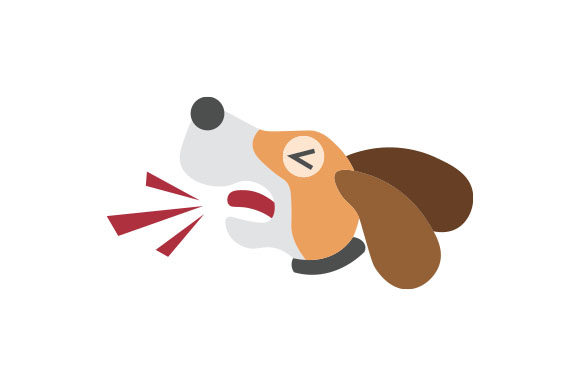
Barking Dog Head
First Impressions: Bold, Playful, and Instantly Recognizable
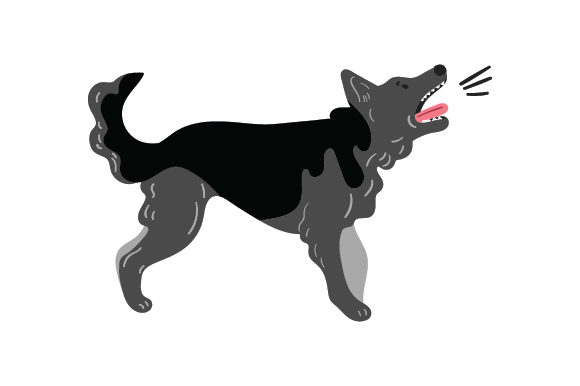
Opening Barking Dog Head for the first time, I immediately felt its energy — not aggressive, but spirited. The silhouette is clean and confident, with a slightly exaggerated open mouth and alert ears that suggest motion without clutter. It’s got personality, not just anatomy. As an embroidery designer who’s stitched hundreds of animal motifs, I appreciate how this design avoids over-detailing: no tiny eyes to vanish in satin stitch, no fragile whiskers that’ll fray after two washes. It lands squarely in that sweet spot between illustrative charm and embroidery practicality — perfect for makers who want visual impact without technical headaches.
A Real-World Test: Embroidering It on a Linen-Cotton Tote Bag
Last week, I used Barking Dog Head for a custom order: a medium-weight linen-cotton tote for a local dog rescue’s volunteer appreciation day. I chose black thread on natural fabric — classic, high-contrast, and instantly legible at a glance. The design scaled beautifully at 4.2 inches wide (hoop size: 5×7), and the fill stitch areas stayed smooth, with no pucker or thread nesting. What stood out was how well the negative space worked — the open mouth and ear cutouts translated cleanly into stitch, letting the fabric breathe instead of feeling heavy. Customers didn’t just say “cute”; they paused, smiled, and asked, “Is that *your* dog?” That kind of emotional resonance matters — especially when you’re building trust through handmade product.
Where Barking Dog Head Shines in Real Projects
- Custom apparel: Works exceptionally well on sweatshirts and structured tees — the bold outline holds up even on brushed fleece.
- Embroidered patches: Clean edges mean crisp heat-applied or sewn-on results; no fraying at corners.
- Baby items and nursery decor: Friendly enough for onesies or pillow covers, but stylized enough to avoid looking juvenile.
- Holiday and gift embroidery: Paired with a simple “Good Boy” or paw print, it adds warmth to kitchen towels, aprons, or holiday stockings.
- Etsy listings and craft fair merch: Stands out in thumbnail previews thanks to strong shape recognition — critical for digital embroidery file buyers scanning dozens of Dogs category listings.
Where to Use It Thoughtfully
Barking Dog Head isn’t a one-size-fits-all motif. On ultra-thin fabrics like lightweight rayon or silk-blend baby caps, I’d recommend testing stabilizer layers first — the open mouth area can shift if the base fabric moves too much under the needle. On highly textured surfaces (think bouclé knit or terry cloth), reduce density slightly in the fill zones to prevent stiffness. And while it reads clearly on dark fabric with light thread, avoid pairing it with pale pastel threads on heather grey — contrast drops, and the playful energy fades. Also, skip curved surfaces like baseball cap fronts unless you’ve confirmed your machine handles moderate curve compensation; the ear tips and jawline are sharp enough that distortion becomes obvious if not hooped precisely.
Design Integrity Meets Commercial Practicality
As someone who sells digital embroidery files and consults for small craft businesses, I pay close attention to how a design supports long-term brand consistency. Barking Dog Head does that quietly but effectively. Its balanced proportions mean it scales down to 2.5 inches for a pocket detail or up to 6 inches for a statement pillow cover — all without losing definition. That flexibility directly supports Etsy sellers offering tiered product lines (e.g., matching pet bandanas + embroidered mugs) or boutique owners curating cohesive seasonal collections. More importantly, it doesn’t look “digital” — no jagged vectors or unnatural line weights. When stitched, it feels hand-drawn, which elevates perceived value and reinforces the authenticity buyers seek in handmade product.
Practical Designer Notes Before You Stitch
- Always test Barking Dog Head on scrap fabric matching your final project’s weight and stretch — especially if using it for custom apparel or baby embroidery.
- Check thread color contrast in both natural and artificial light; what reads bold on screen may mute on fabric.
- Review stitch density in the mouth and ear areas — dense fills can stiffen delicate fabrics, while sparse ones risk gaps.
- Confirm hoop size compatibility before digitizing or resizing — some machines handle larger versions better than others.
- Inspect small details like the inner ear curve and jawline edge — they should be smooth, not pixelated or overly segmented.
- Test black-and-white mockups to assess silhouette strength — if it loses identity without color, reconsider placement or background.
- Use tear-away + cut-away stabilizer combo for stretchy or unstable fabrics like knits or quilting cotton.
- Verify licensing terms before selling finished products or bundling Barking Dog Head into digital embroidery file packs — commercial use rights aren’t implied by format alone.
Final Thought: A Design That Earns Its Place
Barking Dog Head isn’t flashy — and that’s its strength. It’s the kind of embroidery file you return to again and again because it delivers reliably: clear stitching, expressive character, and quiet versatility across Crafts and Dogs-themed projects. Whether you’re embroidering a personalized gift for a new puppy owner, stocking a small shop with boutique-quality aprons, or building a digital product catalog for fellow Etsy sellers, this design earns its place not through novelty, but through thoughtful execution. It respects the craft, the customer, and the reality of real-world stitching — and that’s exactly what experienced designers look for.