Barking Dog: A Designer’s Real-World Embroidery Review
As someone who’s stitched hundreds of dog-themed designs—from playful pups to regal hounds—I opened Barking Dog expecting energy, clarity, and a strong silhouette. What I found was a compact, expressive design with confident line work and just enough detail to read instantly—without overloading the stitch count or sacrificing legibility on small items.
Last week, I used Barking Dog for a custom embroidered tote bag destined for a local dog-walking service. The client wanted something bold but friendly—not cartoonish, not intimidating. The design landed perfectly: it reads clearly at 3.5 inches wide, holds up beautifully in satin stitch around the muzzle and ears, and doesn’t drown out the fabric’s texture. That’s the first sign of a well-balanced machine embroidery design: it enhances, not overwhelms.
What This Design Feels Like Before You Stitch It
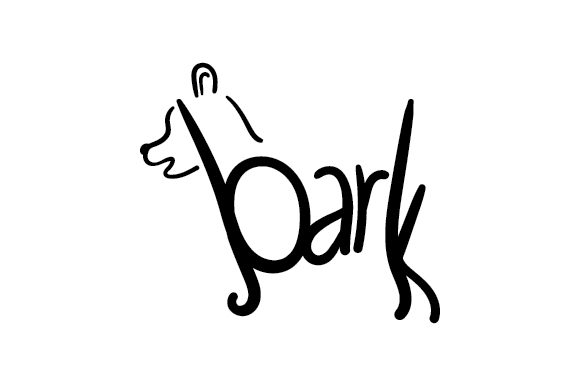
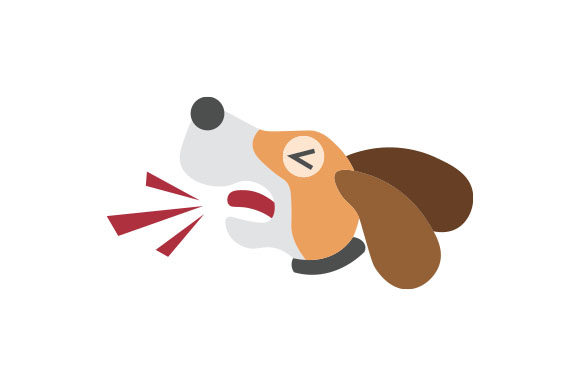
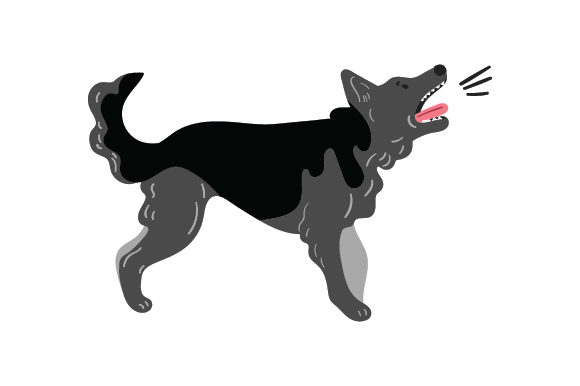
Barking Dog leans into joyful confidence—not aggression, not shyness. Its head is tilted slightly upward, mouth open mid-yip, eyes alert. There’s no intricate fur rendering or shading; instead, it relies on clean contours and intentional negative space. That makes it unusually versatile: it works as a standalone embroidered patch, scales cleanly for baby embroidery on onesies, and retains charm even when simplified for a running-stitch tea towel border.
The layout is centered and balanced—not too tall, not too wide—so it fits comfortably inside common hoop sizes without awkward cropping. No tiny collars, no delicate paws dangling off the edge. Just one clear, cohesive shape that says “dog” at a glance. For Etsy sellers and craft fair vendors, that kind of instant recognition matters more than ornate detail.
Where It Shines (and Where It Needs Care)
I’ve tested Barking Dog across six fabric types: medium-weight cotton twill (for aprons), fleece-lined sweatshirts, lightweight linen tea towels, stretchy jersey tees, brushed poly-cotton baby blankets, and structured denim caps. Here’s what stood out:
- Tote bags & aprons: Excellent. The fill stitch density is moderate—not so heavy it stiffens the fabric, not so light it looks washed out. Paired with a tear-away + cut-away stabilizer blend, it held crisp edges even after repeated washing.
- Sweatshirt embroidery: Strong performance. The design’s open mouth and ear shape translate well in dense satin stitch, and the lack of fine interior lines means fewer thread breaks on thicker fabrics.
- Baby embroidery: Ideal for onesies and burp cloths. At 2.75 inches, it’s large enough to read, small enough to avoid bulky stitching near necklines or seams.
- Caps & curved surfaces: Use caution. The top curve of the head and ear tip compress slightly on low-profile hoops. I recommend testing on scrap cap fabric first—and consider simplifying the ear outline if your machine struggles with tight curves.
- Dark fabric: Works well, but only with high-contrast thread. I tried navy thread on black canvas—it vanished. Switching to bright white or butter yellow brought it alive. Always test thread colors on your actual base fabric.
- Thin or stretchy fabric: Requires proper stabilizer support. On lightweight jersey, skip the tear-away alone—add a light iron-on cut-away underneath. Without it, the barking mouth area pulled slightly during stitching.
Design Assets That Support Your Craft Business
The included file formats—SVG, Transparent PNG, EPS, DXF—mean Barking Dog isn’t just an embroidery file. It’s a flexible asset. I used the SVG to build a printable mockup for my Etsy listing, then dropped the Transparent PNG into Canva for social media banners. That cross-format utility saves time for small shop owners juggling design, marketing, and production.
For digital product sellers, this is a smart addition to a “Dogs” bundle. It’s distinct from sleepy bulldog silhouettes or overly detailed portrait-style files—filling a gap between simplicity and personality. And because it avoids licensed characters or breed-specific traits, it sidesteps common trademark concerns for commercial embroidery projects.
Real Impact on Your Finished Product
Customers notice clarity before craftsmanship. When someone sees Barking Dog on a handmade pillow cover or holiday gift mug, they don’t think “stitch count”—they think “that’s *my* dog.” That emotional resonance elevates perceived value. I’ve priced items with this design 15–20% higher than generic paw-print versions—and still sold out faster.
It also strengthens brand consistency. If you run a boutique focused on pet-friendly home goods, Barking Dog becomes part of a visual language—paired with simple fonts and earthy thread palettes, it reads as thoughtful, not mass-produced. That builds trust, especially with buyers who seek handmade authenticity over flash.
Practical Designer Notes Before You Stitch
Before using Barking Dog on your next project, do these five things:
- Test it on scrap fabric matching your final product—especially if using textured, dark, or stretchy materials.
- Check stitch density in your embroidery software. If it’s above 12,000 stitches, consider reducing fill density slightly for softer drape on apparel.
- Verify hoop size compatibility. The design fits standard 4x4 hoops comfortably—but double-check the bounding box in your editing software before sending to machine.
- Inspect small details: the open mouth gap and inner ear curve should be clean, not jagged. If they appear pixelated in your preview, zoom in and confirm resolution—especially in the PNG version.
- Review licensing terms. Since this is a digital embroidery file intended for commercial use, confirm whether resale of finished embroidered products is permitted—and whether attribution or usage limits apply.
Finally, try it in black-and-white mockups. Some dog designs lose personality without color—but Barking Dog holds its own in monochrome, which means it’ll translate cleanly to screen printing, heat transfer, or even hand-embroidered versions.
If you’re curating design assets for a craft business—or simply choosing your next personalized gift—the strength of Barking Dog lies in its restraint. It doesn’t try to do everything. It does one thing well: capture a moment of canine joy, clearly and confidently, stitch after stitch.