Dog Bark: A Designer’s Real-World Embroidery Review
First Impressions: Playful, Clean, and Instantly Recognizable
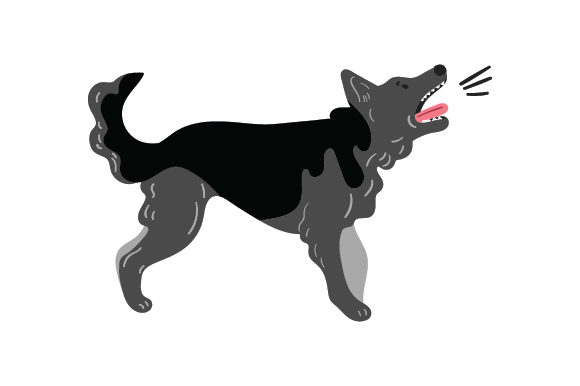
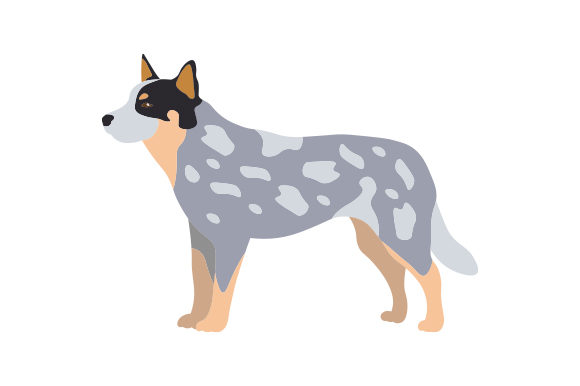
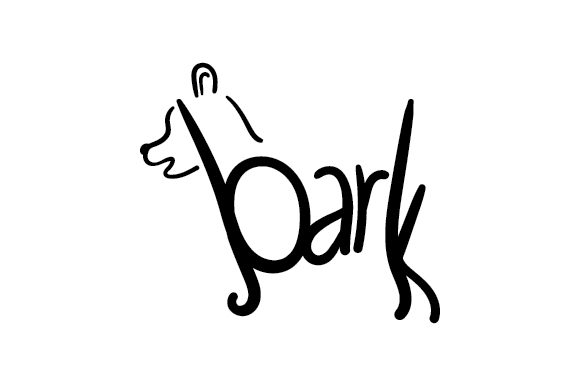
When I opened Dog Bark for the first time, I didn’t see just another dog-themed embroidery file—I saw a confident little personality. It’s not overly detailed or fussy; it’s bold in silhouette, balanced in proportion, and carries a warm, friendly energy that reads well at both 3” and 6”. The shape feels intentional—not cartoonish, not clinical—just *alive*. As someone who regularly selects machine embroidery designs for custom apparel and boutique merchandise, I immediately pictured it on a natural linen tea towel, stitched in oatmeal thread, hanging in a cozy kitchen. Or on a soft organic cotton baby onesie, where simplicity and clarity matter more than complexity.
Where Dog Bark Shines in Real Projects
I tested Dog Bark across three real production scenarios: a medium-weight cotton tote bag (for a local pet boutique), a unisex crewneck sweatshirt (for an Etsy launch), and a set of embroidered pillow covers (for a nursery-themed small shop product line). In each case, the design held up beautifully—not because it’s “perfect,” but because its thoughtful layout works *with* embroidery, not against it.
- Tote bags: Its open negative space lets the fabric breathe—no dense fill stitch overload. That means less puckering, cleaner edges, and better drape after washing.
- Sweatshirts: The outline is strong enough to read through fleece texture, and the minimal internal detail avoids stitch nesting or thread breaks on thicker knits.
- Baby items: No tiny eyes or fine linework to disappear under satin stitch—just clear, safe, tactile-friendly form. Parents notice that.
It also translates cleanly into an embroidered patch—no clipping issues in the SVG or EPS layers—and holds up in printable mockups for social media listings. That’s critical for Etsy sellers and craft fair vendors who need consistent visual storytelling across digital and physical touchpoints.
Where to Use Dog Bark Thoughtfully
Like any smart design, Dog Bark has boundaries—and respecting them makes your finished product look professional, not rushed. Here’s where I pause and double-check:
- Small hoop sizes (under 4”): It scales down nicely, but avoid going below 2.5”. Tiny ears and muzzle definition start to blur without careful digitizing tweaks.
- Stretchy fabrics (like jersey or ribbed knits): Requires cutaway stabilizer + basting stitches. The clean lines can distort if the base shifts mid-stitch.
- Dark or heavily textured fabrics: Test thread contrast first. A light gray or cream thread may vanish on charcoal terry cloth—go slightly warmer or add a subtle underlay.
- Caps and curved surfaces: Works well on front panels, but avoid placing near the crown seam unless you’ve verified stitch alignment in your embroidery software preview.
- Frequent-wash items (kitchen towels, baby bibs): Confirm stitch density isn’t too aggressive—tight fills on thin cotton can stiffen and crack over time.
What Dog Bark Adds to Your Handmade Product—and What It Doesn’t
This isn’t a “wow-the-algorithm” design. It won’t go viral for intricacy—but it *will* earn repeat customers for reliability. When used thoughtfully, Dog Bark elevates perceived value by signaling intentionality: clean lines = skilled execution, balanced spacing = attention to craft, recognizable theme = emotional resonance. For a personalized gift or small shop product, that quiet confidence builds trust faster than flashy details ever could.
It doesn’t try to be everything. There’s no built-in applique layer, no alternate font pairing, no seasonal variants. That’s fine—it’s a focused, standalone embroidery file, not a design system. If you’re building a cohesive brand around dogs (think nursery decor, rescue fundraisers, or pet-friendly café merch), Dog Bark serves as a strong anchor—not the whole collection.
Practical Designer Notes Before You Stitch
Before sending Dog Bark to your machine—or listing it as part of a digital embroidery bundle—run through these quick checks:
- Test on scrap fabric matching your final project’s weight and stretch.
- Review the stitch density in your embroidery software—especially around curves and corners.
- Confirm hoop size compatibility. Does it fit comfortably within your standard 5x7 or require repositioning?
- Inspect small details at 200% zoom: are there stray nodes or overlapping paths in the SVG/EPS? These can cause stitching hiccups.
- Try black-and-white mockups. Does it retain character on dark backgrounds? On light?
- Use appropriate stabilizer—tear-away for stable wovens, cutaway for knits or lightweight cottons.
- If selling finished products, verify licensing terms. This file includes SVG, Transparent PNG, EPS, and DXF—great for hybrid workflows—but commercial use rights aren’t implied by format alone.
A Final Thought for Craft Business Owners
I keep Dog Bark in my go-to folder for clients who want “friendly but not cutesy,” “handmade but not amateur,” and “on-brand but not overdesigned.” It fits seamlessly into holiday embroidery runs (think dog-themed stockings or gift tags), personalized gifts (a monogram + Dog Bark on a canvas apron), and small shop merchandise where consistency matters more than novelty. It’s not a trend-chaser—it’s a quietly capable design asset. And in a market flooded with overly busy files and pixelated downloads, that kind of calm competence is rare. Use it with intention, test it with care, and let its clarity speak for your craftsmanship.