Chorkie Dog: A Practical Embroidery Design Review
First Impressions: Charm, Clarity, and Craftsmanship
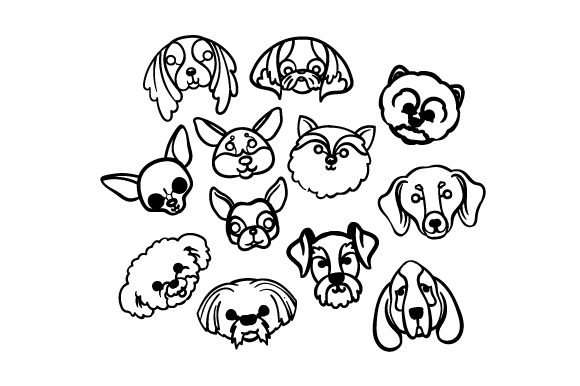
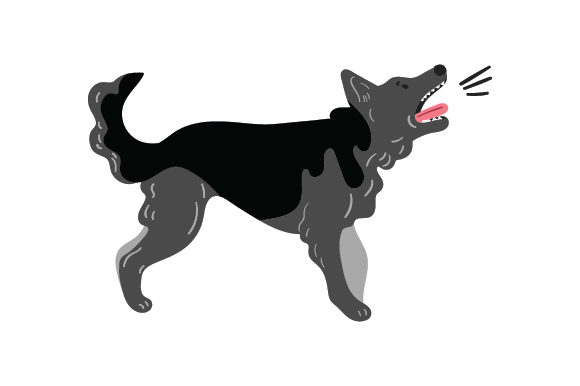
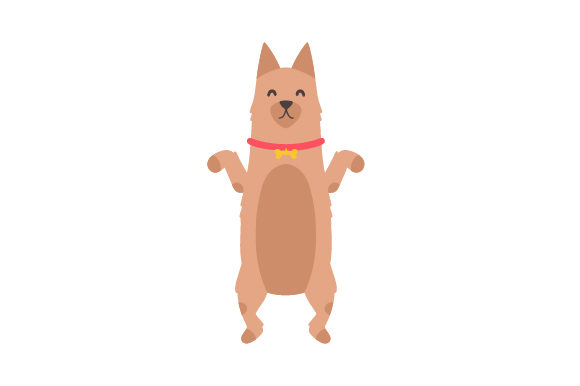
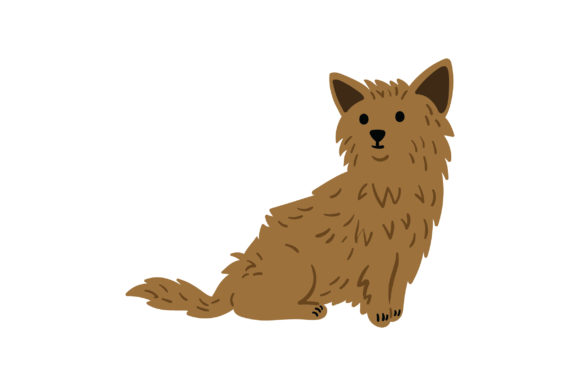
When I opened the Chorkie Dog embroidery file, what stood out wasn’t just cuteness—it was intention. The silhouette balances playful energy with clean lines: perky ears, a compact body, and subtle facial definition that reads instantly at small scales. It doesn’t try to be hyper-realistic, and that’s its strength. As a machine embroidery design, it feels purpose-built—not for gallery walls, but for real things people hold, wear, and gift: a baby onesie, a linen tea towel, a denim tote bag for a local dog boutique. Its visual personality is warm, approachable, and quietly confident—exactly what handmade product buyers respond to.
A Real Project Test: Stitching Chorkie Dog on a Linen-Cotton Apron
I tested Chorkie Dog on a medium-weight linen-cotton blend apron—exactly the kind sold in craft fairs and Etsy shops targeting home cooks and pet lovers. With light tear-away stabilizer and 40-weight polyester thread, the satin stitch outline held crisp edges, and the fill stitch remained even without piling or shadowing. No digitizing quirks emerged: no floating stitches, no awkward jumps between elements, and no dense clusters that risked puckering. On this fabric, Chorkie Dog looked like something a seasoned embroiderer stitched—not a rushed digital asset slapped onto merchandise. Customers notice that difference. They feel it in the texture, see it in the alignment, and trust it as part of a cohesive brand story.
Where Chorkie Dog Shines—and Where It Needs Thought
Chorkie Dog works beautifully across a range of applications:
- Custom apparel: It scales cleanly from a 3” chest logo on a toddler sweatshirt to a 5” back design on an adult unisex tee.
- Embroidered patch: The defined outer edge and minimal internal detail make it ideal for iron-on or sew-on patches—no fraying concerns, no lost definition after cutting.
- Baby embroidery: Gentle curves and no fine linework mean fewer snag points on delicate fabrics like interlock knit or bamboo velour.
- Holiday embroidery: Paired with red-and-green thread or metallic gold accents, it adds lighthearted charm to Christmas stockings or Easter pillow covers—without looking seasonal-only.
- Craft business assets: As a digital embroidery file, it integrates smoothly into printable mockups for Etsy listings, social media banners, and wholesale lookbooks.
That said, some uses require care:
- Small hoop sizes (under 4”): While scalable, avoid shrinking Chorkie Dog below 2.5”. Tiny ears and eye details may lose clarity or become unstable in dense fill areas.
- Textured or stretchy fabric: On terry cloth towels or jersey knits, use cut-away stabilizer and reduce top tension slightly. The design’s moderate stitch density helps—but don’t skip testing.
- Dark fabric backgrounds: The design relies on contrast. Test thread colors thoroughly; a soft tan or heather gray often reads better than stark white on navy or charcoal.
- Curved surfaces like caps: The balanced proportions help, but always reposition the design to follow the crown curve—not just center it. A slight vertical compression (5–7%) improves drape.
What It Adds to Your Finished Product—Beyond the Stitch
Chorkie Dog elevates more than just fabric—it supports your credibility. When customers receive a personalized gift featuring this design, they don’t just see a dog; they sense thoughtfulness. The shape invites recognition without demanding realism. That makes it versatile for branding: pair it with minimalist typography on a kitchen towel line, or layer it subtly in a corner of a nursery blanket. For Etsy sellers, it performs well in search because it’s specific (Chorkie), emotionally resonant (pet love), and commercially flexible (Dogs category + Crafts context). It also avoids overused tropes—no bones, no paw prints, no speech bubbles—so it stands apart in saturated markets.
Designer Notes You’ll Actually Use
Before stitching Chorkie Dog for client work or shop inventory, here’s what I do—and recommend you do too:
- Test on scrap fabric first, especially if using textured, dark, or lightweight material.
- Review stitch density visually—not just in software. Dense fills can overwhelm delicate items like baby caps or silk ribbon bookmarks.
- Confirm hoop size compatibility. The design likely fits standard 4×4 or 5×7 hoops, but verify before hooping production runs.
- Inspect small details in black-and-white mockups. If the eye or ear tip disappears against background tone, adjust thread color or simplify manually.
- Use proper stabilizer for your base fabric—light tear-away for stable wovens, cut-away for knits, and water-soluble for delicate layers like organza overlays.
- Check licensing terms before selling finished items or reselling the digital embroidery file. This design includes SVG, Transparent PNG, EPS, DXF—formats suited for both embroidery machines and vector-based design tools, but commercial rights aren’t implied by format alone.
Final Thought: Not Just Another Dog Design
Chorkie Dog isn’t flashy—but it’s reliable. It’s not complicated—but it’s considered. In a market flooded with generic animal motifs, it delivers quiet specificity: a breed people know, love, and want to represent meaningfully. Whether you’re stitching a single personalized gift or building a full line of embroidered pet-themed merchandise, this design earns its place in your library—not because it’s trendy, but because it works, consistently, across real materials, real machines, and real customer expectations. That’s the mark of a truly useful embroidery file.