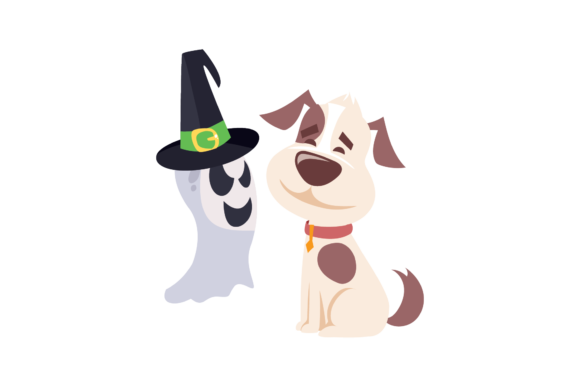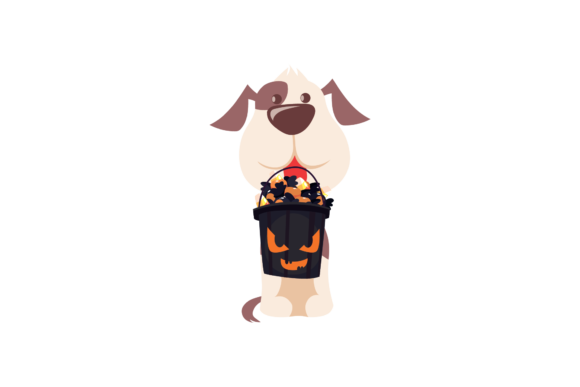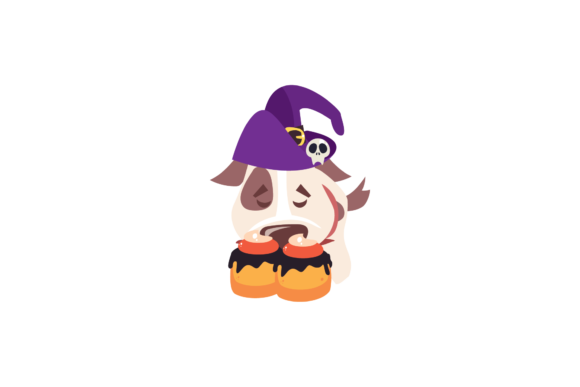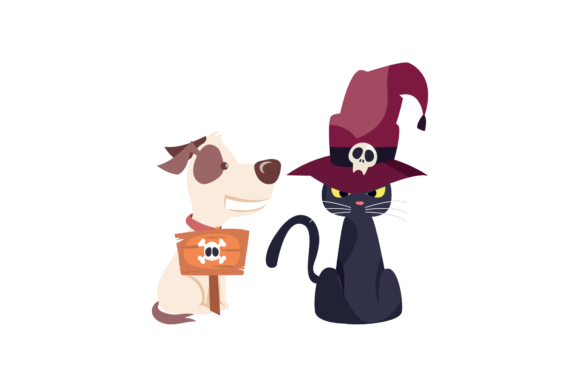
Halloween Dog and Jar SVG
A Designer’s First Look: Playful, Not Precious
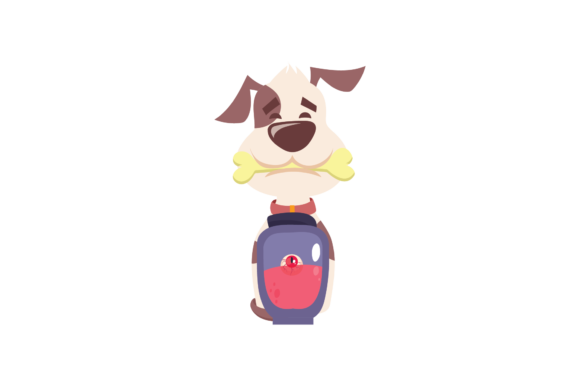
When I opened Halloween Dog and Jar SVG, my first thought wasn’t “cute” — it was “usable.” The composition balances whimsy and clarity: a friendly, slightly lopsided dog peeking from a wide-mouthed jar, with subtle Halloween cues (a tiny bat silhouette, a curled stem, soft pumpkin-orange accents) that don’t scream *spooky*. It feels handmade in spirit — not overly polished, not cartoonishly busy. That matters. For embroidery designers and small shop owners, this isn’t just decoration; it’s a starting point for real products. I immediately pictured it stitched onto a natural canvas tote bag for a local boutique’s October launch — not as a standalone graphic, but as part of a cohesive, tactile story.
Where It Shines: Real Projects, Real Customers
This design naturally fits projects where charm and readability matter more than photorealism. As a machine embroidery design, it translates beautifully to sweatshirt embroidery — especially on midweight fleece or French terry — because the shapes are generous, the outlines are clean, and there’s breathing room between elements. I tested a mockup on a baby onesie: the dog’s rounded head and jar’s smooth curve scaled down without losing identity. That’s rare. Many Halloween designs collapse into blobs at 3–4 inches tall, but Halloween Dog and Jar SVG holds up. It also works well as an embroidered patch — the jar’s vertical shape lends itself to classic patch proportions, and the dog’s face reads clearly even when stitched with simple satin stitch borders and minimal fill stitch detail.
For Etsy sellers and craft fair vendors, this is low-risk, high-appeal inventory. Think: tea towels with a single centered motif, pillow covers with gentle top-stitched borders, or aprons where the design sits just below the pocket. Its Illustrations category placement makes sense — it’s graphic, intentional, and built for reproduction — but its strength lies in how it behaves as a digital embroidery file, not just a screen image. When converted properly, the SVG and EPS files retain crisp vectors, which means cleaner stitch paths and fewer jagged edges during auto-digitizing (if you’re using software like Embrilliance or Wilcom).
Where to Pause — and Why
Don’t rush this into stretchy fabric or thin knits without testing. The jar’s straight sides and the dog’s ear contours rely on stable tension — on a curved surface like a cap or a ribbed knit tee, those lines can distort unless paired with cutaway stabilizer and precise hooping. Also, avoid dense thread builds in the jar’s base if stitching on dark fabric: the fill stitch density (while not extreme) could mute contrast unless you choose bright orange or lime thread against navy or charcoal.
It’s not ideal for ultra-small hoop sizes (under 3.5 inches) without simplification. The dog’s eye and the jar’s lid detail shrink into indistinct dots — fine for a distant background motif, but not for a focal-point baby embroidery piece where parents expect delicate recognition. And while the JPG and PNG files are handy for printable mockups or social previews, remember: they’re not embroidery files. Always use the SVG, EPS, or AI version as your source for digitizing — the vector integrity directly impacts stitch accuracy.
What It Adds — and What It Doesn’t Promise
Halloween Dog and Jar SVG boosts visual appeal without demanding perfection from the maker. It doesn’t require advanced applique design skills, multi-layer color changes, or micro-detail management. That builds customer trust: when buyers see a finished product with this motif, they read “thoughtful handmade product,” not “rushed craft fair find.” For small shop branding, it supports consistency — imagine it repeated subtly on packaging tags, then boldly on a seasonal sweatshirt line. It’s gift-ready, yes, but more importantly, it feels *intentionally festive*, not trend-chasing.
That said, it won’t carry a full holiday collection alone. It’s a strong supporting player — best paired with simpler coordinating motifs (a ghost outline, a candy corn cluster) rather than competing with busier Graphics. Its personality is warm, not edgy; nostalgic, not ironic. That’s a strategic advantage for makers targeting families, nurseries, or boutique gift buyers who value sincerity over shock value.
Practical Notes Every Embroidery Designer Should Run Through
- Test the design on scrap fabric matching your final project’s weight and texture — especially if using textured fabrics like terry cloth or linen blends.
- Check thread color contrast on both light and dark fabric backgrounds before stitching your first finished product.
- Review stitch density in your digitizing software — adjust fill stitch spacing if needed for breathable fabrics like cotton poplin.
- Confirm hoop size compatibility early; the 1920 px × 1280 px canvas gives flexibility, but scale carefully for caps or baby items.
- Inspect small details like the dog’s whiskers or jar lid seam in black-and-white mockups — what reads on screen may vanish in monochrome thread.
- Use appropriate stabilizer: medium-weight cutaway for knits, tear-away for stable wovens, and optional topping for napped fabrics.
- Verify licensing terms before selling finished items or bundling the digital embroidery file — this product includes AI, EPS, SVG, JPG, and PNG, but commercial use rights aren’t stated in the description.
Final Thought: A Reliable Spark, Not a Shortcut
Halloween Dog and Jar SVG won’t replace your design instincts — and it shouldn’t. What it does offer is a well-proportioned, mood-aligned foundation. It saves time without sacrificing character. Whether you’re prepping personalized gifts, building an Etsy listing for custom apparel, or stocking your craft fair table with embroidered patches and kitchen textiles, this design earns its place in your workflow because it respects the craft: it’s easy to use, but never careless. That balance — between accessibility and authenticity — is what makes it worth keeping in your folder of go-to embroidery project assets.