Halloween Dog and Cat SVG
First Impressions: Playful, Balanced, and Ready for Stitching
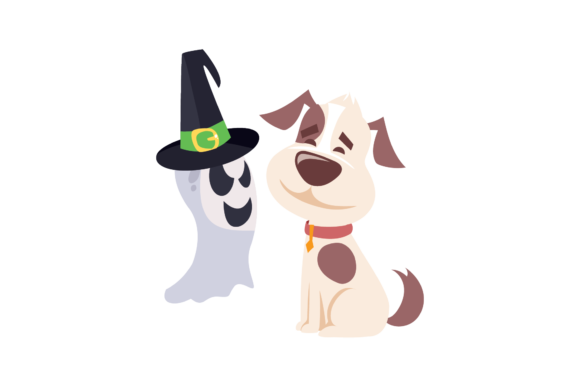
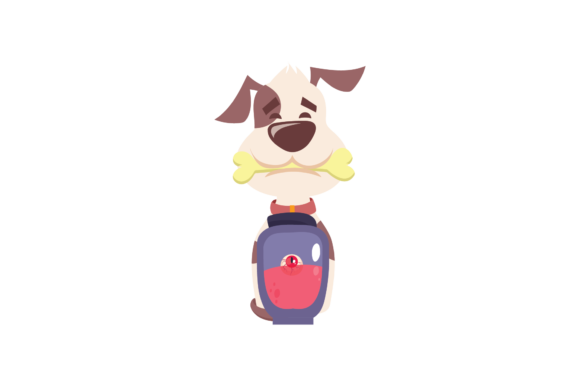
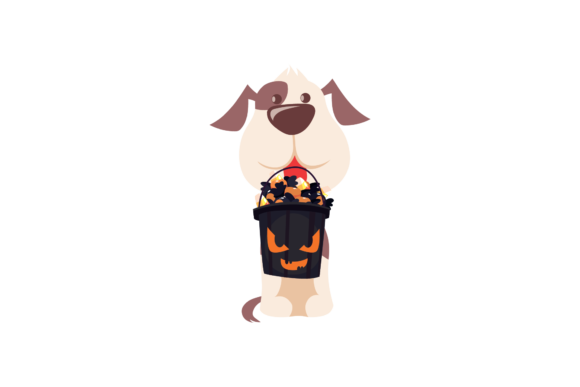
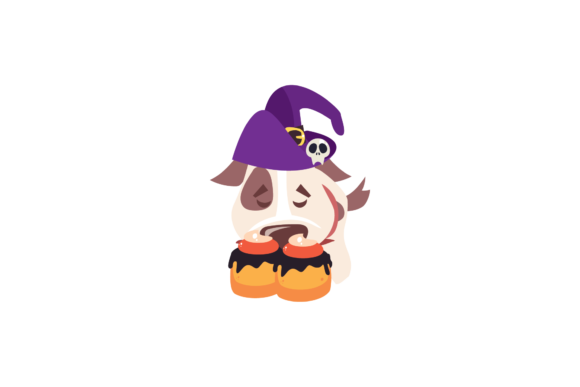
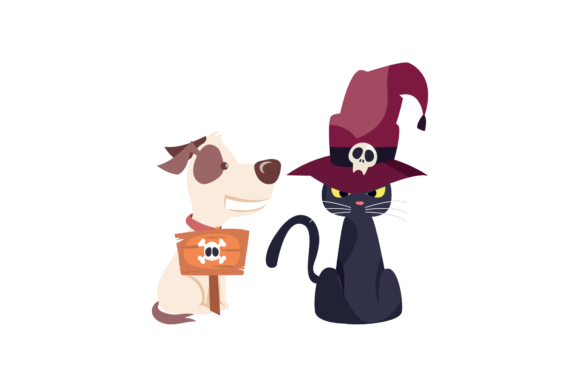
Opening Halloween Dog and Cat SVG feels like flipping through a well-curated sketchbook—whimsical but intentional. The composition places the dog and cat side by side, each with expressive eyes, subtle bat wings or pumpkin accents, and just enough detail to read clearly at 3–4 inches tall. It’s not overly busy, nor is it minimalist to the point of blandness. That balance matters—especially when you’re stitching on a toddler’s onesie or a boutique apron where charm and clarity must coexist. As an illustrator who’s turned hundreds of digital designs into stitched reality, I immediately asked: *Will this hold up under thread? Will customers recognize the spirit without squinting?*
A Real Project Test: Embroidering a Holiday Tote Bag for My Local Craft Fair
Last week, I prepped Halloween Dog and Cat SVG for a limited-run embroidered canvas tote—intended as a seasonal gift for local pet lovers. I used it as a centered chest design (approx. 4.5" wide) on a natural cotton canvas with medium-weight cutaway stabilizer. The result? Clean satin-stitched outlines, smooth fill-stitch fur texture, and zero thread breaks—even on the cat’s curled tail tip. What stood out wasn’t just technical execution, but emotional resonance: shoppers paused, smiled, and said, “That’s *my* dog and my cat.” That kind of instant connection is rare—and valuable—for Etsy sellers, small shop owners, and handmade product creators.
Where This Design Shines (and Where It Needs Thought)
Halloween Dog and Cat SVG excels in contexts where personality and seasonal warmth matter most:
- Custom apparel: Works beautifully on sweatshirts and relaxed-fit tees—especially with contrasting thread (e.g., orange cat + black dog on heather grey fabric).
- Embroidered patch: Clean edges and moderate detail translate well to iron-on or sew-on patches for jackets, backpacks, or nursery decor.
- Baby embroidery: Gentle proportions and no sharp angles make it ideal for onesies, burp cloths, or pillow covers—just avoid dense fill stitches on ultra-thin interlock knit.
- Tote bag design and kitchen towel applications benefit from its horizontal flow and strong silhouette.
- Holiday embroidery for boutique branding—think limited-edition packaging tags, gift tags, or small-batch tea towels for a pet-themed shop.
Use With Intention—Not Assumption
This isn’t a one-size-fits-all machine embroidery design. Before committing to your next batch of finished product, consider these real-world constraints:
- Hoop size: At full scale, it fits comfortably in a 5×7 hoop—but if you’re resizing down for a cap front or baby hat, test stitch density first. Tiny eyes or paw details may vanish below 2.5".
- Fabric texture: Avoid heavy nubs (like bouclé or thick terry) unless you add extra stabilizer—those subtle whiskers rely on clean surface tension.
- Dark fabric: The JPG and PNG previews look crisp on white, but always preview in grayscale mockups. Some fine lines soften on charcoal or navy without high-contrast thread.
- Stretchy fabric: Not ideal for raw-edge applique on knits without careful digitizing adjustments—you’ll want to reinforce those outer curves.
- Curved surfaces: Caps and mugs? Possible—but test on scrap first. The horizontal layout means top/bottom distortion is minimal, but side seams need gentle repositioning.
What It Adds to Your Handmade Product—and Your Brand
When customers see Halloween Dog and Cat SVG stitched cleanly on a linen pillow cover or a recycled-cotton tote, they don’t just see a holiday motif—they see care, cohesion, and craft intention. That perception lifts perceived value. For Etsy sellers, that translates to fewer returns, more repeat buyers, and stronger photo appeal in listings. For small shop owners, it supports consistent seasonal branding without needing custom illustration every October. And for craft fair vendors? It’s a conversation starter—not just decoration.
Practical Embroidery Designer Notes You Can’t Skip
Before cutting fabric or uploading to your embroidery machine:
- Run a test stitch on scrap fabric matching your final project’s weight and stretch.
- Check thread color contrast—especially for small features like nose highlights or paw pads.
- Review stitch density in vector files (AI/EPS/SVG). If digitizing yourself, watch for overlapping fill areas near ears and tails.
- Confirm hoop size compatibility—don’t assume “SVG” means automatic scaling. Resize thoughtfully, not just proportionally.
- Inspect corners and inner curves: Are they rounded enough for smooth satin stitch travel? Or do they need manual cleanup?
- Test black-and-white mockups—this reveals legibility issues invisible on screen.
- Use appropriate stabilizer: cutaway for knits, tear-away for stable wovens, and fusible for lightweight linens.
- Verify licensing terms before selling finished items or bundling Halloween Dog and Cat SVG as part of a commercial embroidery kit or digital product pack.
Final Thought: A Thoughtful Illustration, Not Just a Graphic
As an experienced designer who evaluates hundreds of Illustrations and Graphics yearly, I judge Halloween Dog and Cat SVG not by how many formats it ships in—but by how naturally it becomes part of something real: a child’s first Halloween outfit, a coffee shop’s seasonal apron, or a handmade gift that sparks joy. It’s got warmth, wit, and quiet craftsmanship baked into its shape. Use it with attention—not just speed—and it’ll earn its place in your go-to design assets for years to come.